This weekly briefing covers major AI developments reported or released between June 9 and June 15, 2026, drawing first on DeepLearning.AI’s The Batch, MIT Technology Review’s The Algorithm, and Import AI, with checks against official release notes, project pages, and research sources.
Models / Product Releases
Module pick: Anthropic launched Claude Fable 5 and Claude Mythos 5, then suspended access
Anthropic announced Claude Fable 5, a generally available Mythos-class model with additional safeguards, and Claude Mythos 5, a restricted-access version aimed at selected cyberdefenders and infrastructure providers through Project Glasswing. The company described Fable 5 as its strongest generally available model for software engineering, knowledge work, vision, and scientific tasks, priced at $10 per million input tokens and $50 per million output tokens. An update on the release page later said access to both models had been suspended while Anthropic worked to restore availability.

Other notable items
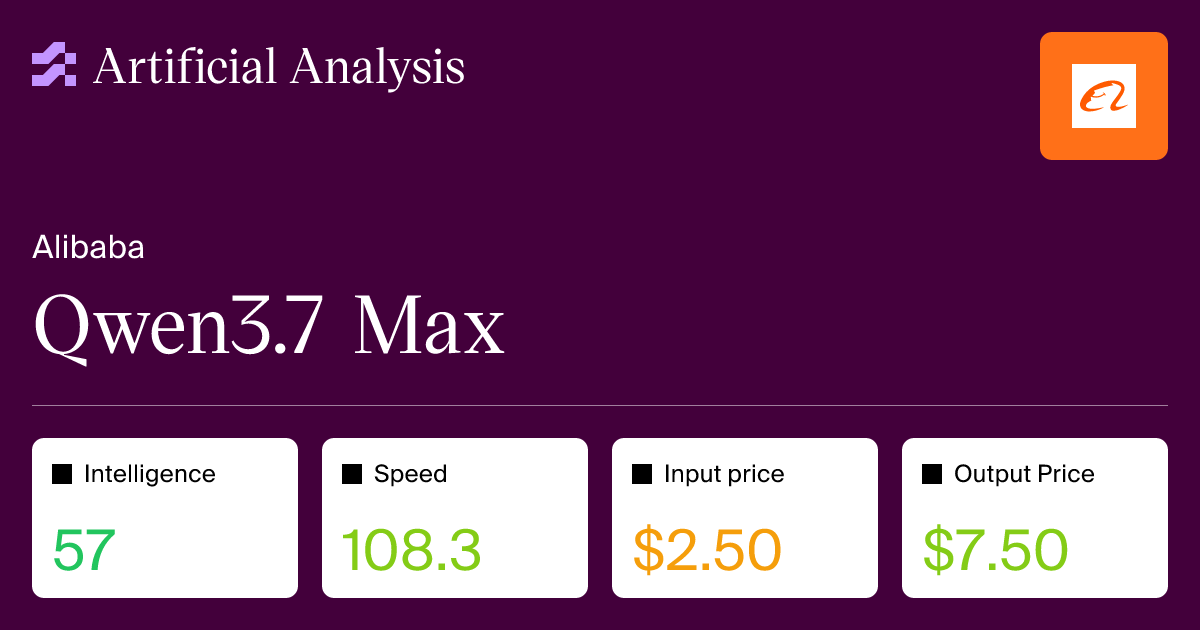
- Xiaomi MiMo-V2.5-Pro-UltraSpeed: Xiaomi reported a 1-trillion-parameter model reaching more than 1,000 tokens per second through FP4 quantization, speculative decoding, and TileRT system co-design on commodity GPU infrastructure.
- OpenCoworker: DeepLearning.AI’s The Batch highlighted Andrew Ng’s open-source desktop-agent project, framed as an agent harness for file, messaging, and workflow automation with user-controlled model-provider choices.
Enterprise Deployment
Module pick: South Korea’s AI adoption remains unusually broad across public and consumer settings
MIT Technology Review’s The Algorithm examined South Korea’s high public enthusiasm for AI and its policy push to become one of the world’s top AI powers. The report pointed to visible consumer and public-sector deployments, including unmanned immigration checkpoints, delivery robots, AI bus-stop plans, AI textbooks, eldercare robots, and government support for domestic foundation-model and semiconductor capacity.

Other notable items
- Forward-deployed AI roles: Recent coverage in The Batch continued to track the rise of AI forward deployed engineers who customize agentic workflows inside client organizations.
- High-speed model access as an enterprise trial: Xiaomi limited MiMo-V2.5-Pro-UltraSpeed access to approved users during a June 9–23 application window, prioritizing enterprises and professional developers with defined business needs.
Research Highlights
Module pick: Biohub released ESMFold2 and related protein-biology tools
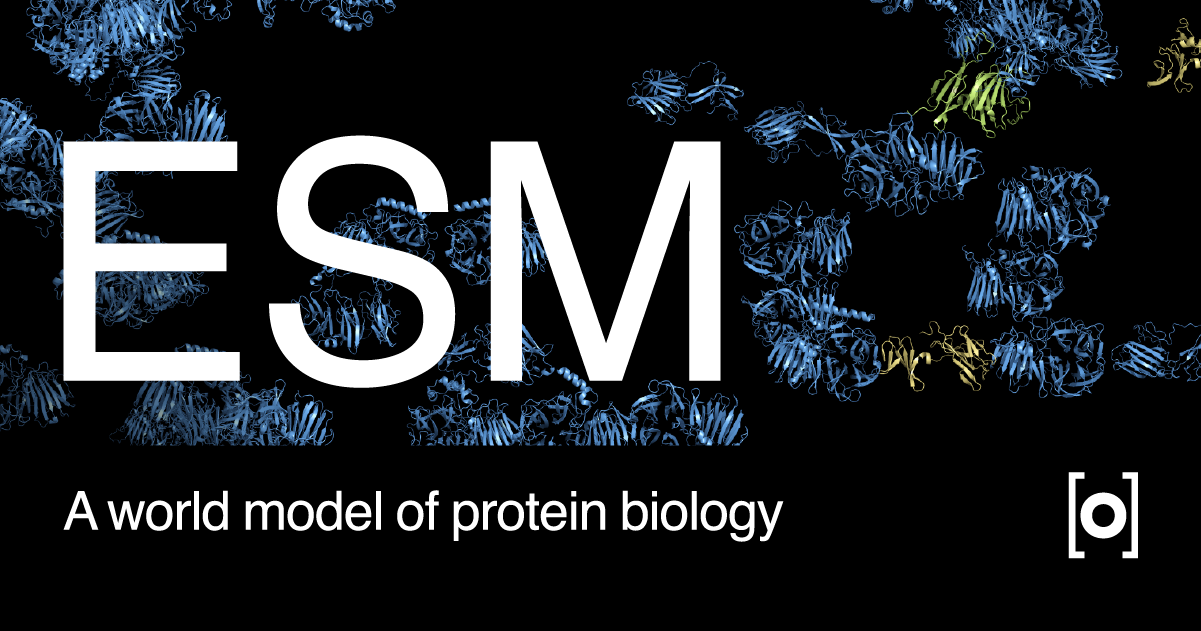
Import AI covered Biohub’s release of ESMC, ESMFold2, and ESM Atlas, a set of tools for protein representation, structure prediction, and large-scale navigation of protein sequences and predicted structures. Biohub described ESMFold2 as a design engine that turns ESMC sequence representations into atomically resolved 3D structures of biomolecular complexes, and reported laboratory binding results for targets in cancer and immunology research.
Other notable items
- GPIC dataset: Researchers from Stanford University, Radical Numerics, the University of Michigan, and Salesforce Research released a 100-million-image corpus with permissive licenses for research and commercial use.
- ChinaHeritaQA: A new multimodal benchmark evaluates vision-language models on UNESCO World Heritage sites in China, with questions spanning recognition, visual grounding, historical periodization, and architectural analysis.
- AARRI-Bench: Import AI reported on a benchmark for assessing whether agents can perform entry-level research-intern tasks with appropriate diligence, tool use, and ethical behavior.
Open-source Trends
Module pick: Cognition introduced FrontierCode, a coding benchmark focused on mergeable code
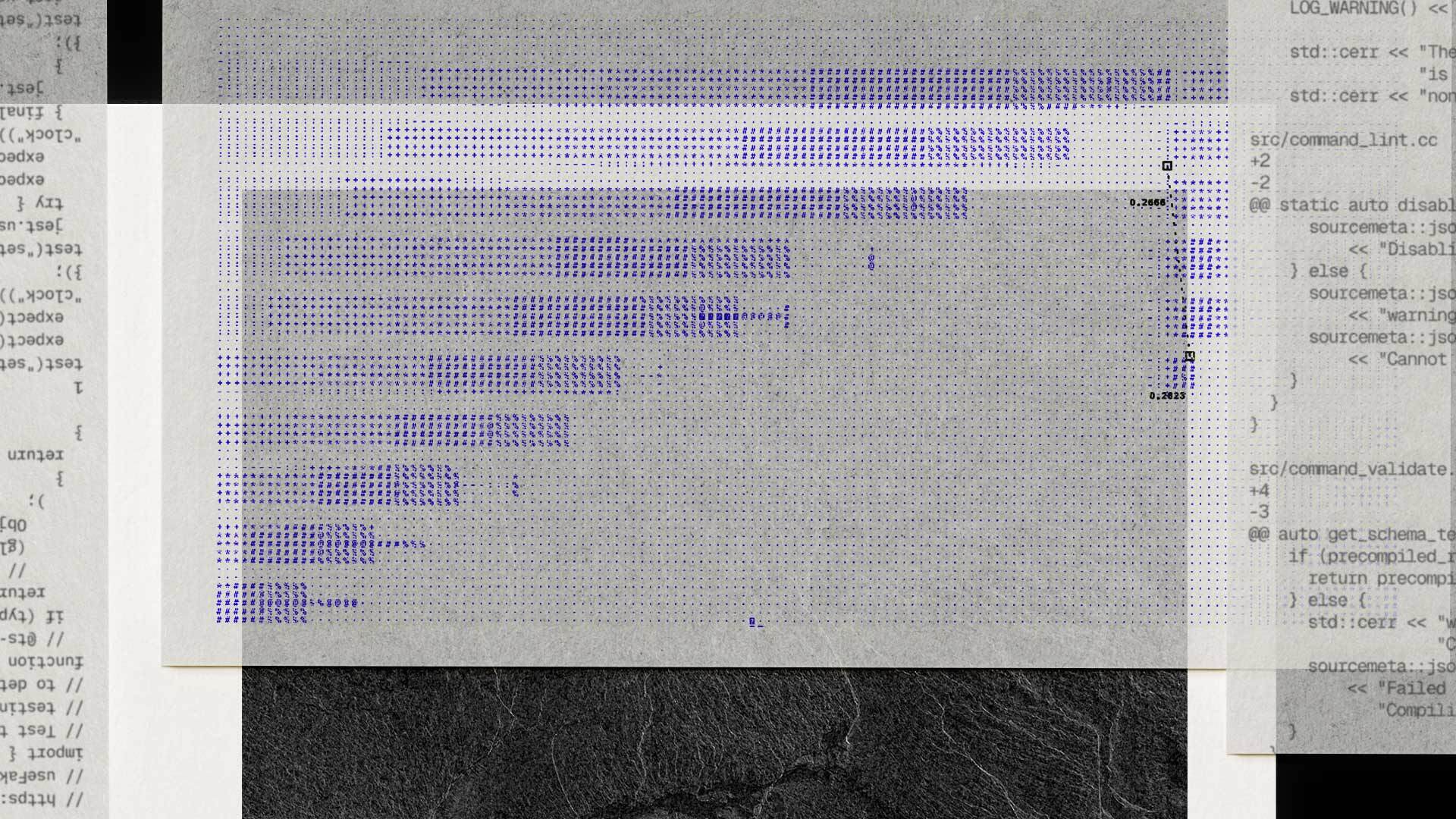
Cognition released FrontierCode, a benchmark designed to evaluate whether AI-generated code would actually be accepted by maintainers. The benchmark includes 150 tasks across three nested difficulty tiers and evaluates correctness, test quality, scope discipline, style, and adherence to codebase standards. Cognition reported that Claude Opus 4.8 scored 13.4% on the hardest Diamond tier, while GPT-5.5 scored 6.3%.
Other notable items
- ChinaHeritaQA on GitHub: The cultural VQA benchmark is accompanied by an open repository, making the dataset easier to inspect and reuse.
- GPIC on Hugging Face: The permissively licensed image dataset is centrally hosted as 8,000 shards, lowering the infrastructure burden for teams training visual-generation systems.
- Open desktop agents: OpenCoworker’s appearance in The Batch reflects growing interest in open agent harnesses that can operate against local files, messages, and workflow tools.
Industry / Safety / Governance
Module pick: Sequent launched as a nonprofit focused on higher-confidence AI alignment
Import AI highlighted the launch of Sequent, a nonprofit research organization formed by researchers from the UK AI Security Institute’s Alignment Team and Timaeus. Sequent says it will pursue a portfolio of theory and empirical research bets, with an emphasis on scalable oversight, learning theory, heuristic arguments, game theory, and personas. The organization states that it aims to reach 40–80 full-time staff within a couple of years.
Other notable items
- Automated alignment limits: Import AI also covered a UK AI Security Institute paper arguing that AI-assisted alignment research can create hard-to-detect errors, correlated failures, and non-human-evaluable arguments.
- AI economy measurement: Import AI summarized research arguing that conventional GDP statistics may undercount the scale and pace of the AI economy, especially because inference capability is improving quickly while unit prices fall.
- South Korea’s light-touch regulation: MIT Technology Review reported that South Korea’s AI Basic Act emphasizes AI development while establishing relatively limited guardrails, reflecting the country’s growth-first policy posture.
Selected sources
- DeepLearning.AI, The Batch: “Mythos Begets Fable, Cursor’s Composer 2.5, Agents Building Agents.”
- MIT Technology Review, The Algorithm: “Why do South Koreans love AI so much?”
- Import AI 461: “Alignment is not on track”; FrontierCode; and synthetic research interns.
- Import AI 459: AI oversight, protein-folding scaling laws, and AI economy measurement.
- Official pages from Anthropic, Cognition, Xiaomi MiMo, Biohub, Sequent, GPIC, GitHub, arXiv, and Hugging Face were used for cross-checking release details.